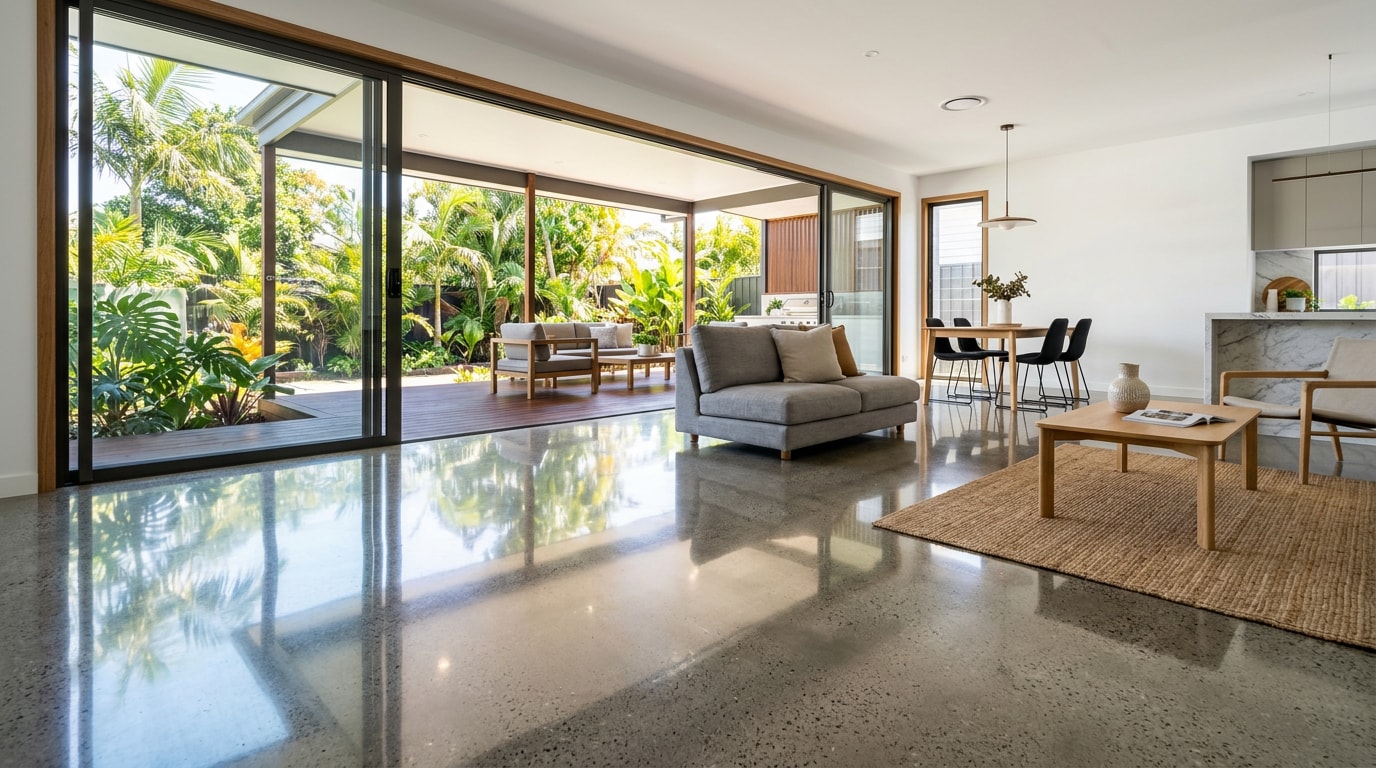
Epoxy flooring installation in Kaanapali, HI turns a dusty, cracked garage or lanai slab into a seamless surface built for salt air, humidity, and daily traffic. Homeowners and property managers researching the work usually want the same three things: a clear process, a realistic cost range, and proof the floor will hold up on a resort coastline. This guide covers all three, plus how epoxy stacks up against polyaspartic coatings for West Maui conditions.
Written by the Luxe Pacific flooring team, which installs and repairs epoxy, resin, and concrete coating systems across West Maui. Questions about a specific slab? Contact us directly.
What Is Epoxy Garage Flooring?
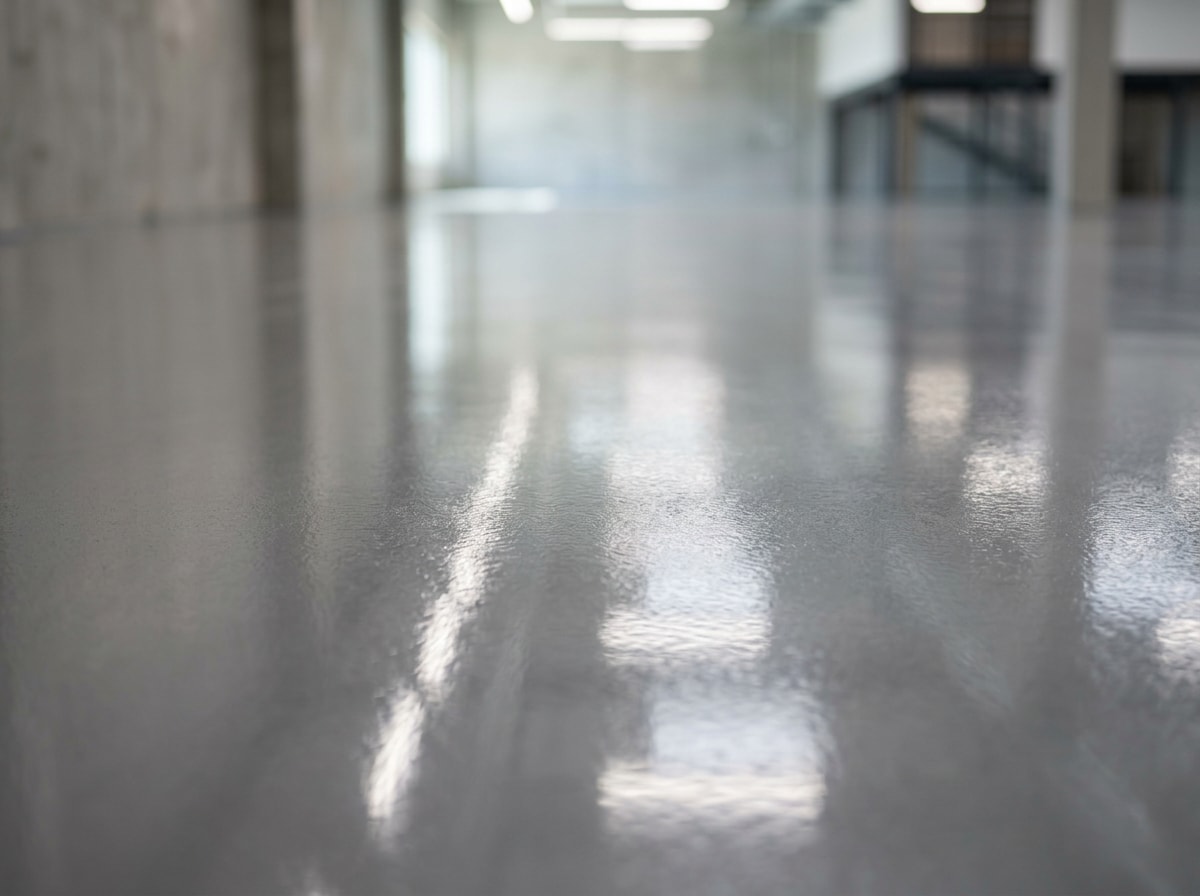
Epoxy flooring is a heavy-duty surface coating made by mixing a polymer resin with a hardening agent. The two components chemically react and cure into a rigid plastic layer that bonds tightly to concrete, creating a seamless surface far tougher than bare concrete alone.
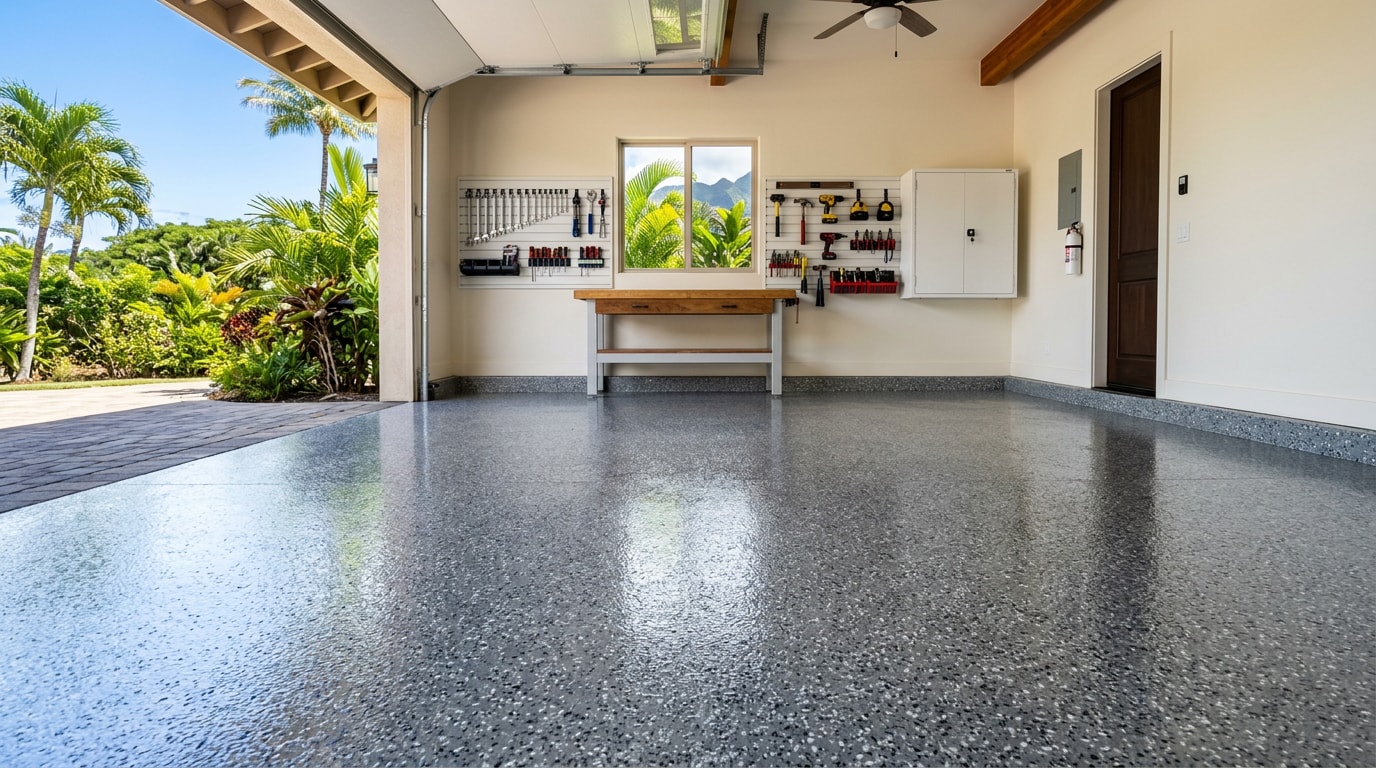
Across Kaanapali's resort and residential properties, epoxy shows up in home garages, lanais, condo common areas, and commercial back-of-house spaces that need a surface tough enough for daily foot and vehicle traffic. Installers typically offer a few finish styles:
- Solid color for a clean, single-tone look
- Decorative flake for texture that hides minor debris
- Quartz-blended systems for heavier commercial wear
One coating handles both appearance and protection, which is why resin flooring systems have become the default choice over paint or sealer alone. Our epoxy floor installation services cover each of these finish types.
Epoxy Flooring Installation Process (Step-by-Step)
A professional installation follows a strict sequence, and most jobs run multiple days from prep to final cure, not a single afternoon. Here's what each stage actually involves.
1. Surface Preparation
Installers use diamond grinders or shot blasters to strip away dirt, oil, and old coatings, opening the concrete's pores so the new coating has something to grip. Skipping this step is one of the most common reasons epoxy floors fail early.
Professional crews target a specific Concrete Surface Profile (CSP) rating during grinding. Concrete Surface Profiles are a standardized way to measure the roughness and texture of concrete surfaces, developed by the International Concrete Repair Institute, with the scale ranging from CSP 1 (smooth) to CSP 10 (very rough). Too smooth a surface prevents adhesion, and too aggressive a grind wastes material. The current ICRI 310.2R guideline on surface preparation for coatings is the reference most coating manufacturers specify against.
2. Crack Repair
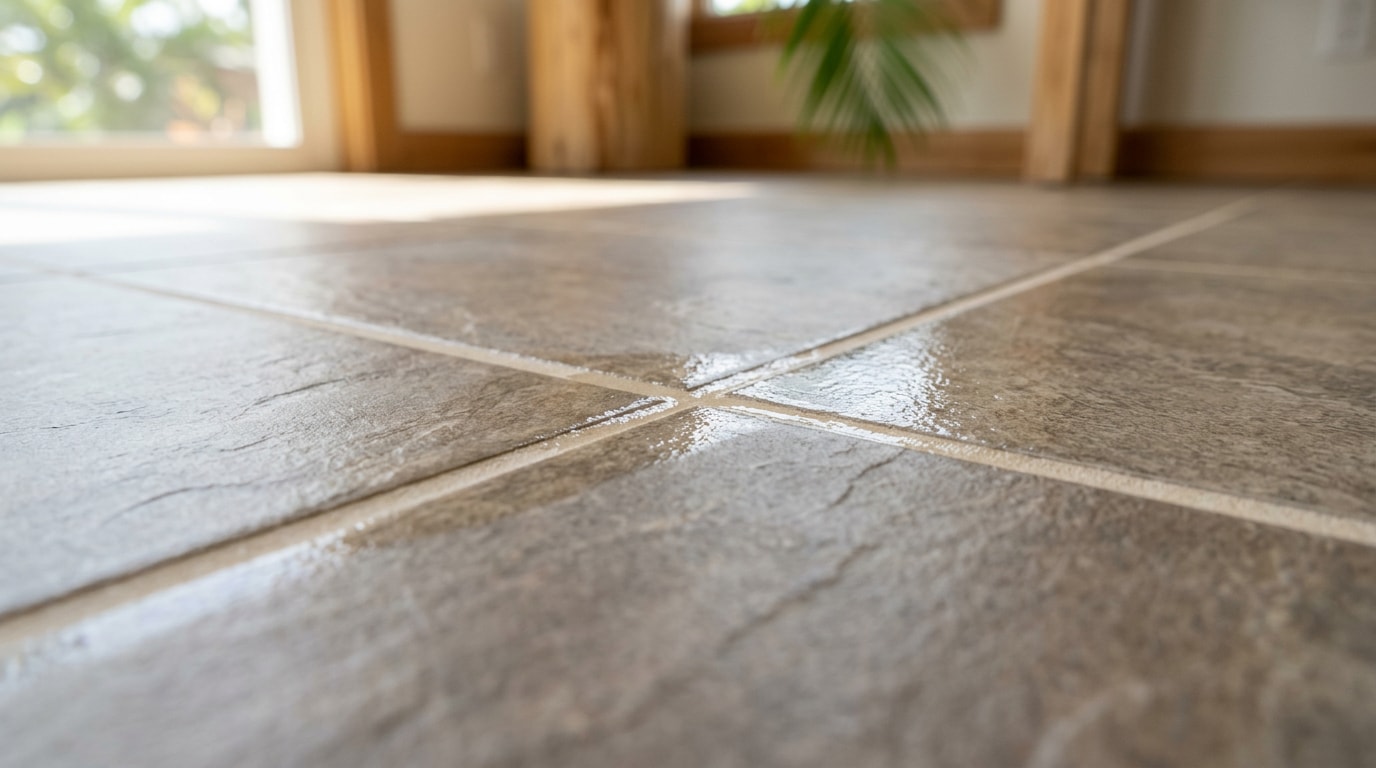
Once the floor is ground down, cracks and chip marks hidden under old coatings or grime become clearly visible. Installers fill these with epoxy patching compounds, creating a flat, uniform base before any coating goes down. Skipping crack repair leaves weak points that often telegraph back through the finished floor.
3. Primer Application
A penetrating epoxy primer goes onto the prepared concrete and anchors every later layer. In Hawaii's humid, slab-on-grade conditions, a good primer also helps establish a moisture barrier, since vapor can otherwise push up through concrete and cause bubbling.
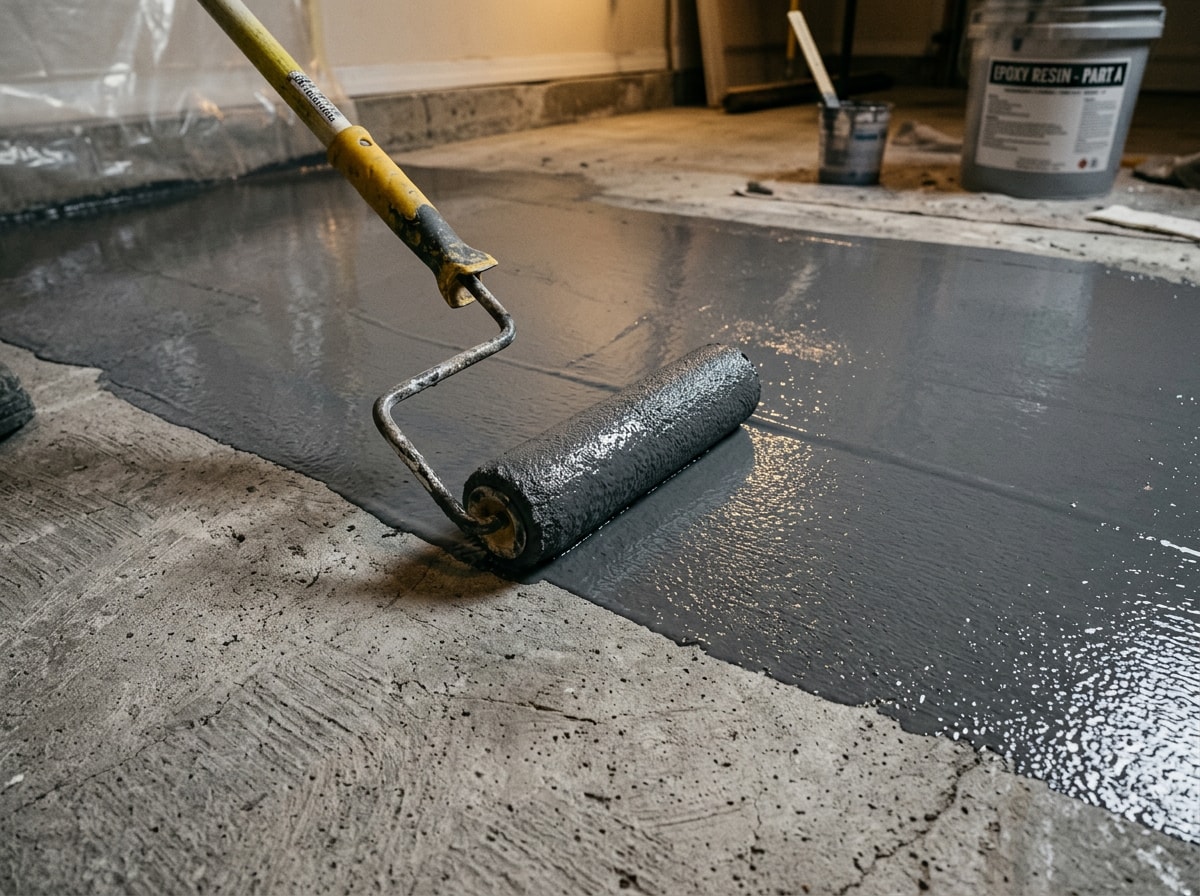
4. Epoxy Coating
Once the primer cures, crews roll out the base coat and color layer. A flake blend adds texture and hides minor debris, while a solid color gives a clean, uniform surface popular in showrooms and modern garages.
5. Sealing & Curing
A clear topcoat seals the color layer, adding chemical resistance, gloss, and UV protection. Realistic curing time runs about 24 hours before light foot traffic and several days before vehicles should drive on it, with Maui's humidity sometimes stretching that window slightly longer than mainland estimates.
Because mixing and application involve resin fumes, ventilation matters on every job site. OSHA's revised Respiratory Protection Standard, 29 CFR 1910.134, sets the requirements employers must follow when respirators are necessary to protect workers during grinding, priming, and coating steps.
Cost and Value of Epoxy Flooring in Kaanapali
Epoxy flooring cost varies by system type and concrete condition. Flake and solid-color systems typically run lower per square foot, while quartz-blended or heavy-duty commercial systems cost more due to material volume and labor time.
For 2026, expect the following rough ranges for standard installation in Kaanapali:
| System | Typical Cost (Installed) | Best For |
|---|---|---|
| Solid color epoxy | $4–$7 / sq ft | Garages, light-use rooms |
| Flake epoxy | $5–$9 / sq ft | Garages, lanais, showrooms |
| Quartz-blended epoxy | $8–$12 / sq ft | Commercial, heavy traffic |
| Polyaspartic | $7–$12 / sq ft | Sun-exposed, fast turnaround |
Hawaii's shipping costs for resin materials, plus the extra prep time humidity-affected slabs often require, can push pricing above mainland averages for comparable jobs. A properly installed floor lasting a decade or more generally outweighs the upfront premium. If you're comparing options for a nearby property, our Kapalua epoxy cost and vetting guide breaks down pricing by system in more detail.
Ready to get actual numbers for your slab instead of ranges? Get a free estimate and we'll walk the space with you.
Benefits of Epoxy Garage Flooring
In Kaanapali's coastal, high-humidity environment, the right coating does more than look good. It has to hold up to salt air, moisture, and heavy seasonal use without cracking or peeling.
Durability. Epoxy handles the weight of heavy SUVs, trucks, and storage racks without cracking, absorbs impacts from dropped tools, and resists the deep scratches that damage bare concrete over time. That impact resistance is why it's become the standard for heavy-traffic flooring in garages and commercial spaces alike.
Low maintenance. Bare concrete is porous, which means it constantly generates fine dust. Epoxy eliminates that dusting entirely. Dirt sweeps away in seconds, and grime wipes clean with a mop and mild soap.
Moisture resistance. A seamless coating closes off the tiny pores where coastal humidity and salt air would otherwise work into bare concrete over years of exposure.
Epoxy vs. Polyaspartic Coatings
Traditional epoxy has one honest trade-off in Hawaii: it's more vulnerable to UV yellowing and slower to cure in humid air compared to newer polyaspartic systems. That doesn't make epoxy the wrong choice. It depends on budget, timeline, and how much direct sun the space gets.
| Factor | Epoxy | Polyaspartic |
|---|---|---|
| Cure time | 24–72 hours per coat | 1–4 hours per coat |
| UV stability | Can yellow outdoors over time | High UV resistance |
| Flexibility | Rigid, can crack under slab movement | More flexible, better crack resistance |
| Cost per sq ft (installed) | ~$4–$9 | ~$7–$12 |
Maui's UV exposure is a real factor in that decision. The Ultraviolet Index predicts UV radiation levels on a 1 to 11+ scale, with higher numbers meaning greater risk , and West Maui regularly sits at the high end of that scale for much of the year. That's a major reason installers lean toward UV-stable formulations for sun-facing lanais rather than the cheapest available coating. For shaded garages with moderate budgets, standard epoxy still performs well. Our resin coating application service covers both epoxy and polyaspartic systems, so the choice comes down to your space rather than what one crew happens to carry.
Flooring Installation & Repair in Kaanapali & West Maui
Kaanapali's resort-dense landscape, condos, vacation rentals, hotel back-of-house areas, and private garages, creates steady demand for durable, low-maintenance flooring that handles both commercial wear and residential daily use. Epoxy serves both markets well, from a single-car residential garage to a hotel loading dock that sees daily foot and cart traffic.
Residential and commercial epoxy flooring installation is available across Kaanapali and the rest of West Maui, covering everything from new concrete prep to crack repair and recoating on older slabs. Property managers overseeing multiple units often schedule phased installations to minimize disruption to guests and tenants. Browse our flooring installation and repair services or see completed work on our projects page before you request a quote. You can also start at our homepage to see the full range of concrete and stone services we offer across Maui.
FAQ
How long does epoxy flooring installation take?
Most projects take two to five days from surface prep through final cure, depending on the size of the garage or commercial space. Maui's humidity can slow curing slightly, so installers often build in extra buffer time before allowing full vehicle traffic.
How long will my epoxy floor last?
A professionally installed epoxy or polyaspartic floor can last ten to twenty years or more with reasonable care. UV-stable, moisture-resistant coatings matter specifically because Maui's sun, humidity, and salt air are tougher on surfaces than drier mainland climates.
Is polyaspartic worth it over epoxy?
For most Kaanapali properties exposed to direct sun, yes. Polyaspartic coatings cure faster, resist UV fading better, and tend to outlast standard epoxy in humid, sun-exposed locations. For shaded garages, standard epoxy is usually the more budget-friendly choice without a real performance trade-off.
What's the difference between epoxy and decorative concrete?
Epoxy is a protective coating applied over existing concrete to add durability, color, and shine. Decorative concrete instead modifies the concrete surface itself through stamping, staining, or texturing rather than coating over it.
Does epoxy flooring hold up to Hawaii's humidity and salt air?
Yes, when the system is matched to the location. A seamless, properly cured epoxy or polyaspartic coating seals the slab against the moisture and salt exposure that would otherwise work into bare concrete over time. Poor surface prep, not the coating itself, is the usual cause of early failure in coastal properties.
What maintenance does an epoxy floor need?
Routine sweeping and an occasional mop with mild soap and water is typically all that's required. Avoid harsh solvents or abrasive pads on the topcoat, since they can dull the gloss over time.
Get a free estimate for epoxy flooring installation in Kaanapali, and we'll recommend the right system for your slab, your budget, and how much sun the space actually gets.